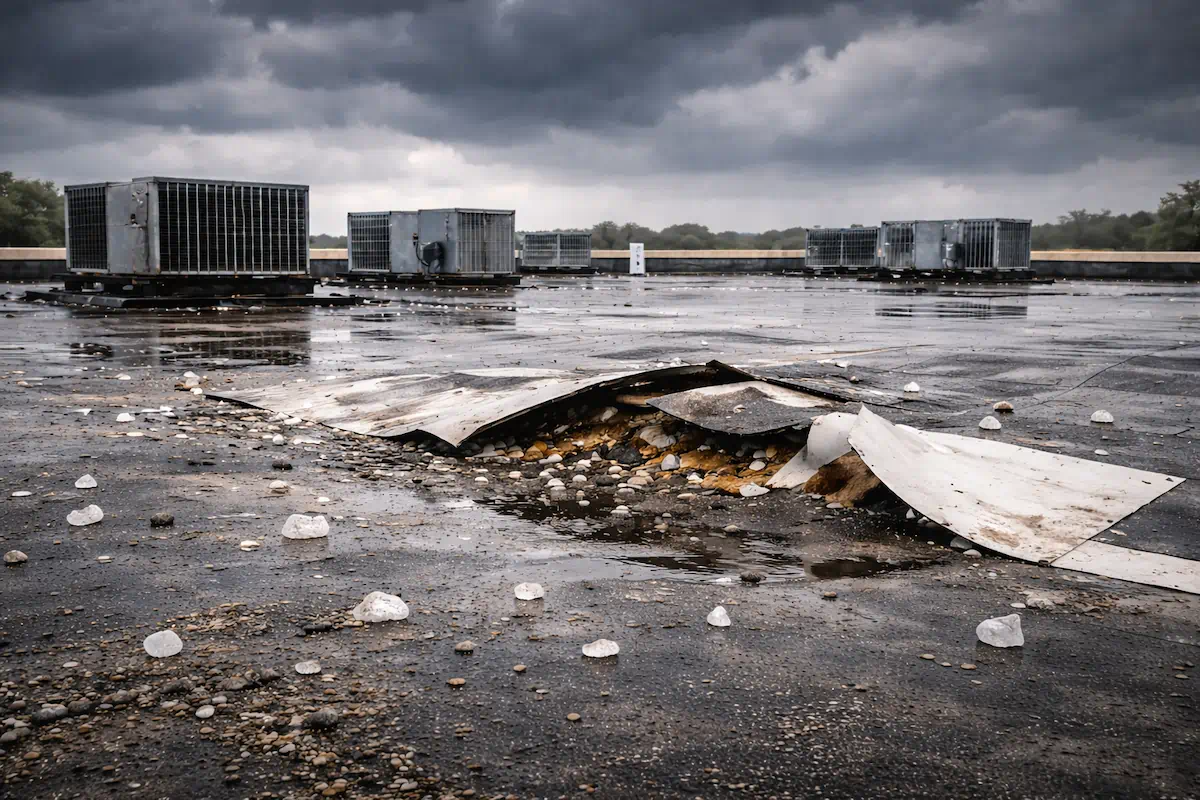
After the Storm: Helping St. Louis Property Owner's With Roof Damage
After a St. Louis storm, roof damage isn’t always obvious. Use this checklist to spot warning signs, document issues, and protect your property from costly repairs.
Posted:
Published by: Made Property Services Team
After the Storm: Helping St. Louis Property Owner's With Roof Damage
After a St. Louis storm, roof damage isn’t always obvious. Use this checklist to spot warning signs, document issues, and protect your property from costly repairs.
Posted:
Published by: Made Property Services Team
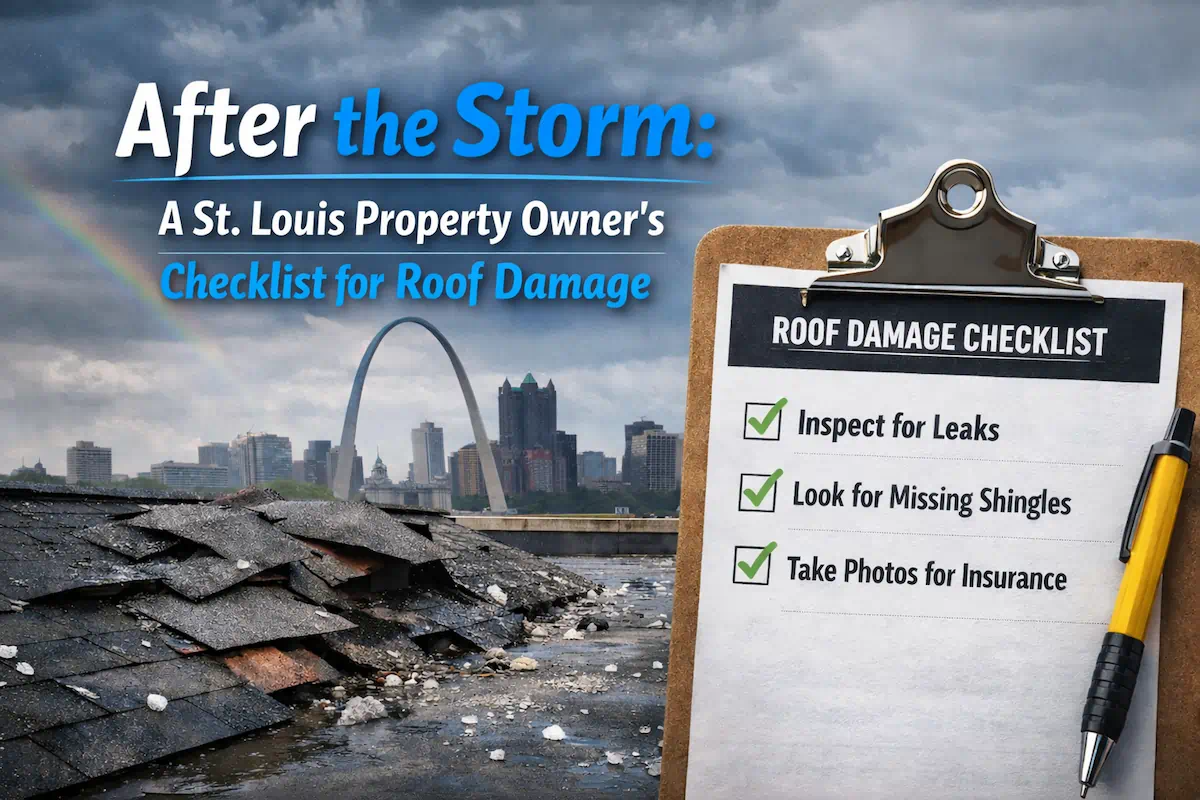
After the Storm: A St. Louis Property Owner's Checklist for Roof acting quickly is essential to protecting your investment.
Roof damage in St. Louis requires a methodical approach to ensure that leaks do not turn into costly structural issues. At Made Property Services, we specialize in helping asset managers and homeowners navigate the complexities of storm recovery through disciplined inspections and strategic planning.
Why Roof Damage Assessment Matters for Building Owners and Managers
For commercial property owners and REITs, a roof is more than just a cover; it is a critical business asset that impacts the building's valuation and tenant safety. Ignoring minor storm damage can lead to compromised insulation, mold growth, and premature system failure. Taking a proactive stance on roof damage in St. Louis ensures that you maintain your maintenance schedule and avoid the budget-breaking surprises of emergency replacements.
Common Challenges With Roof Damage in St. Louis
The aftermath of a storm presents several hurdles for property owners trying to restore their buildings.
Hidden Moisture Intrusion: Wind-driven rain can enter through small gaps that are not visible from the ground level.
Insurance Claim Complexity: Navigating the documentation required for a successful insurance claim can be a full-time job.
Safety Risks during Inspection: Attempting to climb a damaged roof without professional equipment is dangerous for untrained staff.
Contractor Scams: Storms often attract "storm chasers" who provide low-quality repairs that do not stand up to long-term wear.
Theseinsurance claim specialists** who focus on high-performance installations and proper documentation. Our process is built on clarity and accountability, ensuring that every repair or replacement is executed to meet rigorous performance standards. We don't just patch holes; we evaluate the entire roofing system to ensure it remains built for the long term.
What to Look for When Choosing a Storm Recovery Partner
When your property has been hit by a storm, the contractor you choose will determine the longevity of your roof.
Insurance Expertise: Look for a partner who understands how to communicate with adjusters and provide the necessary forensic evidence for a claim.
Asset-Focused Mindset: Choose a company that views your roof as a financial asset rather than just a one-time construction project.
Specialized Commercial Knowledge: Ensure the contractor has experience with industrial, retail, and multi-site roof systems.
Detailed Documentation: A professional firm will provide clear reports, photos, and timelines for the recovery process.
Frequently Asked Questions About Roof Damage in St. Louis
How much does storm damage repair usually cost?
The cost varies significantly based on the material of the roof and the extent of the impact. While insurance often covers the bulk of storm-related costs, we focus on providing a detailed scope of work that reflects the true cost of a high-quality, durable repair.
How long does the insurance claim and repair process take?
The timeline depends on the responsiveness of the insurance carrier and the scale of the damage. Typically, the initial inspection and filing take a few dayssilent" issues before they become major liabilities.
Made Property Services Serving St. Louis and Surrounding Areas
We proudly serve the greater St. Louis metropolitan area, providing specialized roofing services to property managers and homeowners in Chesterfield, Clayton, Ladue, and Kirkwood. Our team understands the local climate and the specific challenges that Missouri weather poses to both flat commercial roofs and specialty residential systems. We are committed to being the most professional and strategic roofing partner in the region.
Final Thoughts
Recovering from a storm doesn't have to be a chaotic experience. By using a disciplined checklist and partnering with asset-focused professionals, you can ensure your roof is restored to peak condition. If you suspect your property has sustained damage, reaching out for an expert evaluation is the most effective way to protect your building for the long term.
After the Storm: A St. Louis Property Owner's Checklist for Roof acting quickly is essential to protecting your investment.
Roof damage in St. Louis requires a methodical approach to ensure that leaks do not turn into costly structural issues. At Made Property Services, we specialize in helping asset managers and homeowners navigate the complexities of storm recovery through disciplined inspections and strategic planning.
Why Roof Damage Assessment Matters for Building Owners and Managers
For commercial property owners and REITs, a roof is more than just a cover; it is a critical business asset that impacts the building's valuation and tenant safety. Ignoring minor storm damage can lead to compromised insulation, mold growth, and premature system failure. Taking a proactive stance on roof damage in St. Louis ensures that you maintain your maintenance schedule and avoid the budget-breaking surprises of emergency replacements.
Common Challenges With Roof Damage in St. Louis
The aftermath of a storm presents several hurdles for property owners trying to restore their buildings.
Hidden Moisture Intrusion: Wind-driven rain can enter through small gaps that are not visible from the ground level.
Insurance Claim Complexity: Navigating the documentation required for a successful insurance claim can be a full-time job.
Safety Risks during Inspection: Attempting to climb a damaged roof without professional equipment is dangerous for untrained staff.
Contractor Scams: Storms often attract "storm chasers" who provide low-quality repairs that do not stand up to long-term wear.
Theseinsurance claim specialists** who focus on high-performance installations and proper documentation. Our process is built on clarity and accountability, ensuring that every repair or replacement is executed to meet rigorous performance standards. We don't just patch holes; we evaluate the entire roofing system to ensure it remains built for the long term.
What to Look for When Choosing a Storm Recovery Partner
When your property has been hit by a storm, the contractor you choose will determine the longevity of your roof.
Insurance Expertise: Look for a partner who understands how to communicate with adjusters and provide the necessary forensic evidence for a claim.
Asset-Focused Mindset: Choose a company that views your roof as a financial asset rather than just a one-time construction project.
Specialized Commercial Knowledge: Ensure the contractor has experience with industrial, retail, and multi-site roof systems.
Detailed Documentation: A professional firm will provide clear reports, photos, and timelines for the recovery process.
Frequently Asked Questions About Roof Damage in St. Louis
How much does storm damage repair usually cost?
The cost varies significantly based on the material of the roof and the extent of the impact. While insurance often covers the bulk of storm-related costs, we focus on providing a detailed scope of work that reflects the true cost of a high-quality, durable repair.
How long does the insurance claim and repair process take?
The timeline depends on the responsiveness of the insurance carrier and the scale of the damage. Typically, the initial inspection and filing take a few dayssilent" issues before they become major liabilities.
Made Property Services Serving St. Louis and Surrounding Areas
We proudly serve the greater St. Louis metropolitan area, providing specialized roofing services to property managers and homeowners in Chesterfield, Clayton, Ladue, and Kirkwood. Our team understands the local climate and the specific challenges that Missouri weather poses to both flat commercial roofs and specialty residential systems. We are committed to being the most professional and strategic roofing partner in the region.
Final Thoughts
Recovering from a storm doesn't have to be a chaotic experience. By using a disciplined checklist and partnering with asset-focused professionals, you can ensure your roof is restored to peak condition. If you suspect your property has sustained damage, reaching out for an expert evaluation is the most effective way to protect your building for the long term.
Ready to save on your roof?
Receive a quote to upgrade your roof and start saving on your electric bill.
Ready to save on your roof?
Receive a quote to upgrade your roof and start saving on your electric bill.
Recent Posts

Request a Quote
Roofing systems.
Made for your property.
Request a Quote
Roofing systems.
Made for your property.
Request a Quote