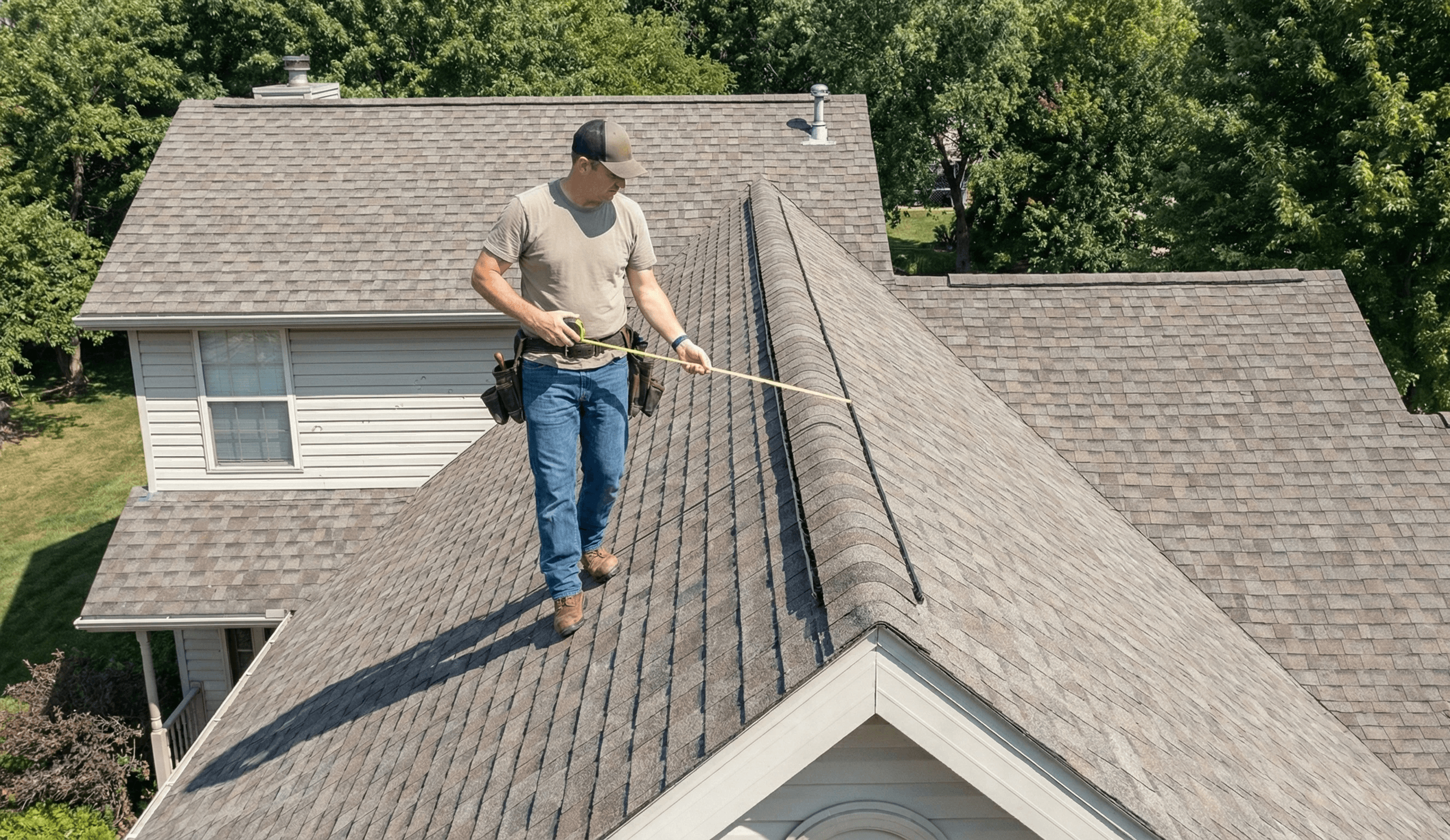
Residential Roof Replacement Checklist: What to Decide Before You Sign
A homeowner-focused checklist for planning a roof replacement, from material selection to ventilation, flashing details, and post-install documentation.
Posted:
Published by: Made Property Services Team
Residential Roof Replacement Checklist: What to Decide Before You Sign
A homeowner-focused checklist for planning a roof replacement, from material selection to ventilation, flashing details, and post-install documentation.
Posted:
Published by: Made Property Services Team
A Roof Replacement Is Easier When You Decide the Details Up Front
Most homeowners start thinking about replacement after a leak, storm event, or visible aging. The challenge is that proposals can look similar on the surface while the details that matter are buried in fine print.
This checklist helps you compare options confidently and avoid surprises. Made Property Services applies the same disciplined planning used in commercial work to residential roofing, so the result is built to protect the home for the long term.
Confirm the Real Reason for Replacement
Before choosing materials, clarify what problem you are solving. This keeps you from paying for upgrades that do not address the root issue.
Common replacement drivers include:
storm damage and missing shingles
widespread granule loss
repeated leaks in multiple areas
sagging or decking concerns
end-of-life age and brittle shingles
A professional inspection can separate repairable conditions from true end-of-life issues and can also identify ventilation or flashing problems that would persist after a new roof.
Choose the Roofing Material That Fits Your Goals
Material choice affects appearance, durability, and cost. Ask for a clear explanation of what each option is best at.
Common options include:
architectural asphalt shingles
standing seam metal
exposed fastener metal
specialty shingles for impact resistance
synthetic underlayments and accessories
If you are interested in metal or specialty options, confirm how the system handles flashing, ventilation, and transitions so it performs well in real weather, not just in a brochure.
Do Not Overlook Ventilation and Attic Conditions
A roof system is more than shingles. Ventilation affects moisture control, attic temperature, and long-term performance.
A good plan should address:
intake ventilation at the eaves
exhaust ventilation at ridge or vents
bath and dryer vent terminations
attic insulation condition
signs of condensation or mold
Fixing ventilation issues during replacement can prevent premature aging and reduce the chance of hidden moisture problems over the next decade.
Ask What Underlayment and Ice Protection Will Be Used
Underlayment is your backup protection under the primary roof covering. It matters most during storms and during the install phase.
Key questions include:
ice and water barrier locations
type and weight of underlayment
flashing integration at valleys
drip edge and starter detail
nail pattern requirements
A clear scope should spell out these components. If it only lists shingles, you are not seeing the full system.
Make Flashing and Penetrations a Priority
Leaks often happen at intersections, not in the middle of a roof field. That is why flashing work deserves special attention.
Areas to review include:
chimneys and step flashing
plumbing vents and boots
skylights and roof windows
wall transitions and kick-out flashing
valleys and dead valleys
Quality workmanship here is what turns a good material choice into a roof that performs for years without recurring repairs.
Verify Safety, Cleanup, and Property Protection
Replacement is a construction project, and the crew’s process affects your property and your neighbors.
A professional plan should include:
jobsite safety and ladder placement
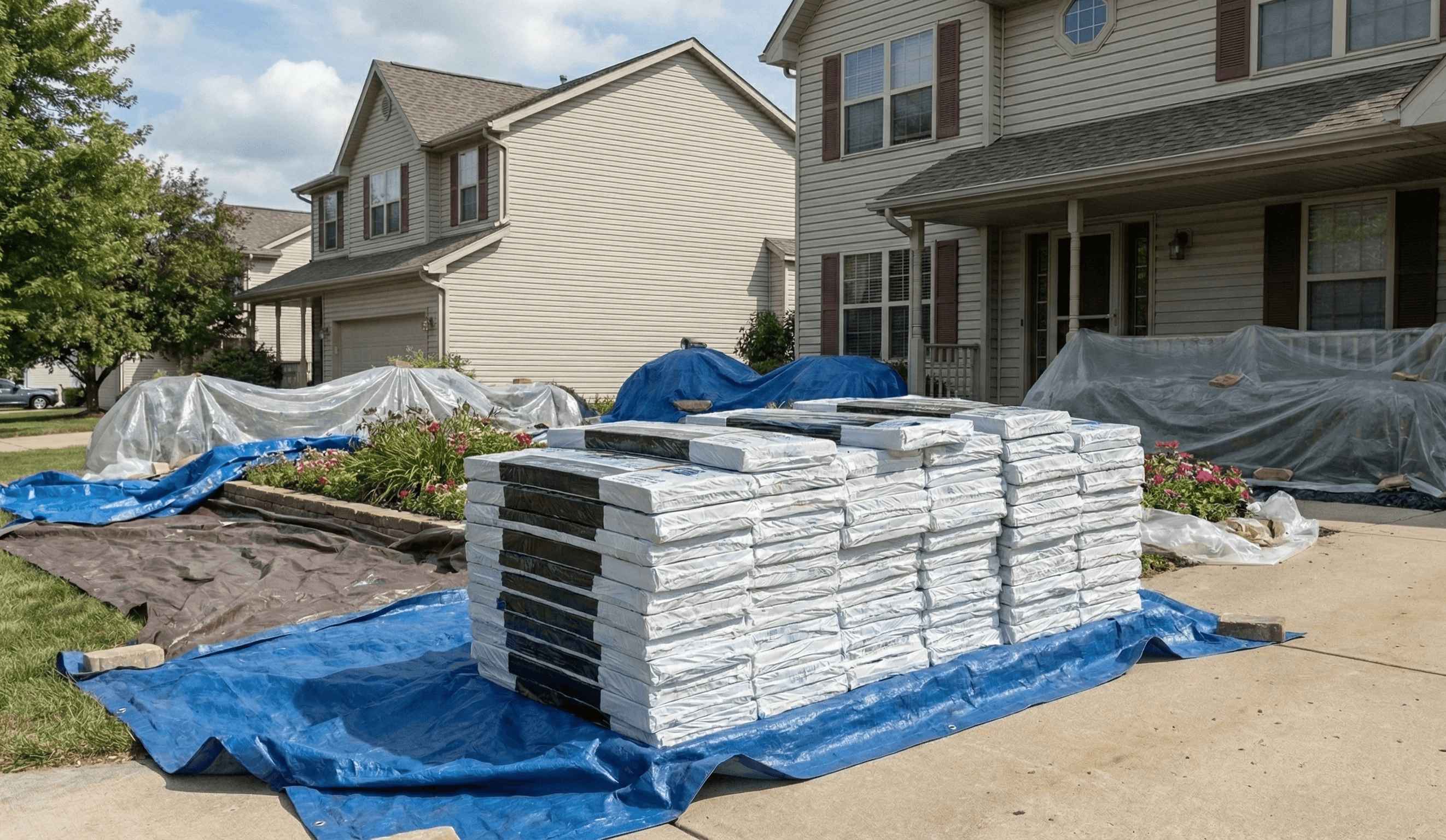
landscaping and driveway protection
magnetic nail sweeps
daily cleanup expectations
final walk-through process
Ask who your point of contact is during the project and how updates will be communicated. Clear communication is part of a disciplined install.
Get Documentation That Helps With Insurance and Resale
After a storm, records matter. After a sale, documentation also matters. Keep a clean package of proof for the work you paid for.
Request:
photos before and after installation
material and warranty documents
permit and inspection records if required
a written scope and paid invoice
notes on any decking repairs performed
This is a simple step that makes future claim conversations and resale disclosures much easier, especially in storm-prone seasons.
Know When Retail Work Is the Better Fit
Some homeowners only call roofers after a storm, but retail planning can be a better approach when the roof is simply aging or when you want specific upgrades.
Retail replacement planning helps you:
choose materials without storm-driven deadlines
schedule work around your calendar
upgrade ventilation and details intentionally
avoid waiting for a claim outcome
control the final scope and look
Made Property Services supports storm claims, but also works with homeowners who prefer a planned, retail replacement process that is predictable and documented.
Conclusion
A residential roof replacement goes best when the system details are defined upfront and the scope is documented clearly. Use this checklist to compare proposals, protect your home, and ensure the finished roof is built for long-term performance.
A Roof Replacement Is Easier When You Decide the Details Up Front
Most homeowners start thinking about replacement after a leak, storm event, or visible aging. The challenge is that proposals can look similar on the surface while the details that matter are buried in fine print.
This checklist helps you compare options confidently and avoid surprises. Made Property Services applies the same disciplined planning used in commercial work to residential roofing, so the result is built to protect the home for the long term.
Confirm the Real Reason for Replacement
Before choosing materials, clarify what problem you are solving. This keeps you from paying for upgrades that do not address the root issue.
Common replacement drivers include:
storm damage and missing shingles
widespread granule loss
repeated leaks in multiple areas
sagging or decking concerns
end-of-life age and brittle shingles
A professional inspection can separate repairable conditions from true end-of-life issues and can also identify ventilation or flashing problems that would persist after a new roof.
Choose the Roofing Material That Fits Your Goals
Material choice affects appearance, durability, and cost. Ask for a clear explanation of what each option is best at.
Common options include:
architectural asphalt shingles
standing seam metal
exposed fastener metal
specialty shingles for impact resistance
synthetic underlayments and accessories
If you are interested in metal or specialty options, confirm how the system handles flashing, ventilation, and transitions so it performs well in real weather, not just in a brochure.
Do Not Overlook Ventilation and Attic Conditions
A roof system is more than shingles. Ventilation affects moisture control, attic temperature, and long-term performance.
A good plan should address:
intake ventilation at the eaves
exhaust ventilation at ridge or vents
bath and dryer vent terminations
attic insulation condition
signs of condensation or mold
Fixing ventilation issues during replacement can prevent premature aging and reduce the chance of hidden moisture problems over the next decade.
Ask What Underlayment and Ice Protection Will Be Used
Underlayment is your backup protection under the primary roof covering. It matters most during storms and during the install phase.
Key questions include:
ice and water barrier locations
type and weight of underlayment
flashing integration at valleys
drip edge and starter detail
nail pattern requirements
A clear scope should spell out these components. If it only lists shingles, you are not seeing the full system.
Make Flashing and Penetrations a Priority
Leaks often happen at intersections, not in the middle of a roof field. That is why flashing work deserves special attention.
Areas to review include:
chimneys and step flashing
plumbing vents and boots
skylights and roof windows
wall transitions and kick-out flashing
valleys and dead valleys
Quality workmanship here is what turns a good material choice into a roof that performs for years without recurring repairs.
Verify Safety, Cleanup, and Property Protection
Replacement is a construction project, and the crew’s process affects your property and your neighbors.
A professional plan should include:
jobsite safety and ladder placement
landscaping and driveway protection
magnetic nail sweeps
daily cleanup expectations
final walk-through process
Ask who your point of contact is during the project and how updates will be communicated. Clear communication is part of a disciplined install.
Get Documentation That Helps With Insurance and Resale
After a storm, records matter. After a sale, documentation also matters. Keep a clean package of proof for the work you paid for.
Request:
photos before and after installation
material and warranty documents
permit and inspection records if required
a written scope and paid invoice
notes on any decking repairs performed
This is a simple step that makes future claim conversations and resale disclosures much easier, especially in storm-prone seasons.
Know When Retail Work Is the Better Fit
Some homeowners only call roofers after a storm, but retail planning can be a better approach when the roof is simply aging or when you want specific upgrades.
Retail replacement planning helps you:
choose materials without storm-driven deadlines
schedule work around your calendar
upgrade ventilation and details intentionally
avoid waiting for a claim outcome
control the final scope and look
Made Property Services supports storm claims, but also works with homeowners who prefer a planned, retail replacement process that is predictable and documented.
Conclusion
A residential roof replacement goes best when the system details are defined upfront and the scope is documented clearly. Use this checklist to compare proposals, protect your home, and ensure the finished roof is built for long-term performance.
Ready to save on your roof?
Receive a quote to upgrade your roof and start saving on your electric bill.
Ready to save on your roof?
Receive a quote to upgrade your roof and start saving on your electric bill.
Recent Posts

Request a Quote
Roofing systems.
Made for your property.
Request a Quote
Roofing systems.
Made for your property.
Request a Quote