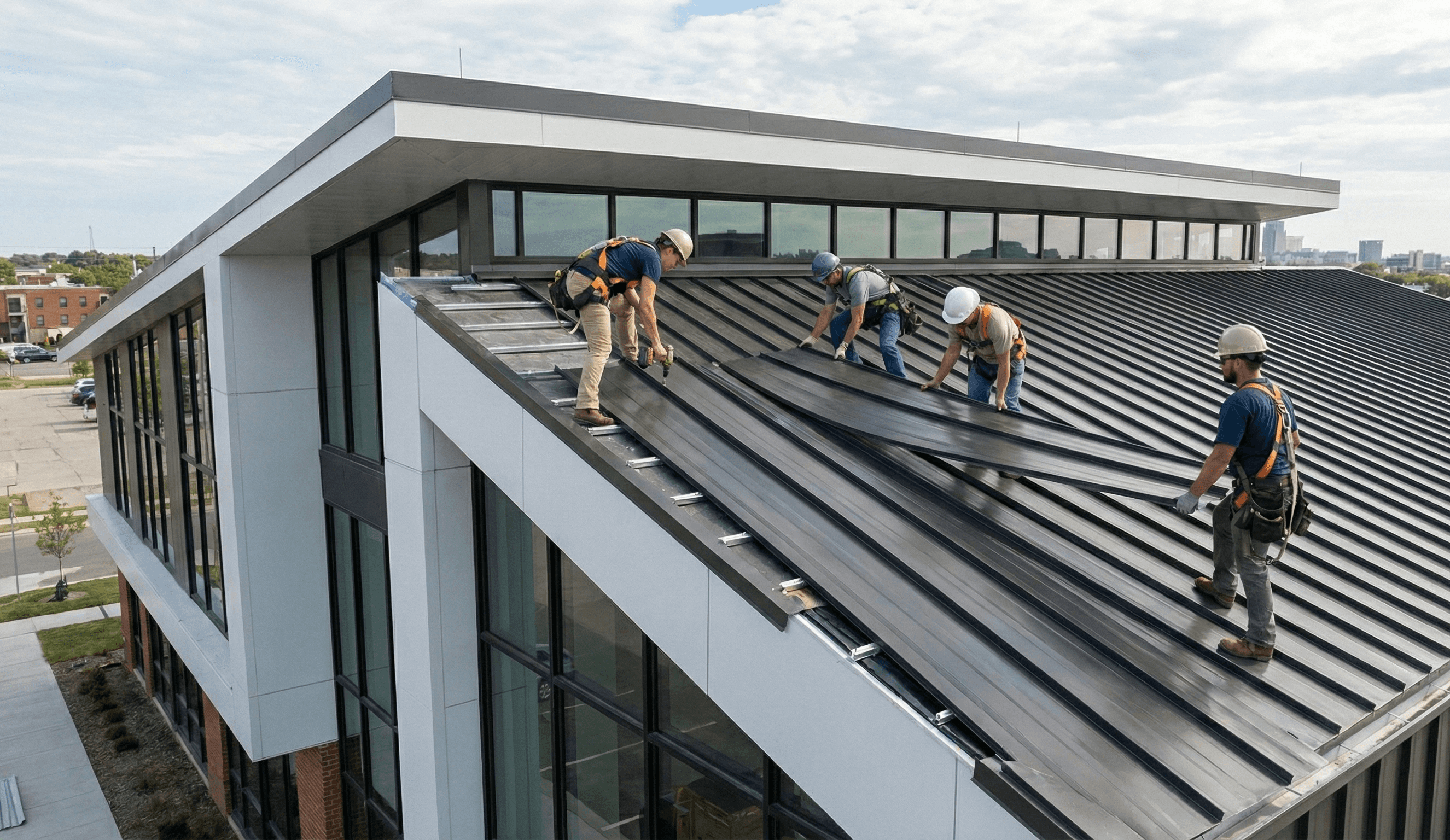
Metal Roofing for Homes and Buildings: When It Makes Sense
Metal roofing can be a long-term solution for both residential and commercial properties. Learn where it performs best, what it costs, and what to confirm before choosing it.
Posted:
Published by: Made Property Services Team
Metal Roofing for Homes and Buildings: When It Makes Sense
Metal roofing can be a long-term solution for both residential and commercial properties. Learn where it performs best, what it costs, and what to confirm before choosing it.
Posted:
Published by: Made Property Services Team
Metal Roofing Is Not Just a Trend, It Is a System Choice
Metal roofing can look sharp and perform extremely well, but it is not automatically the best answer for every property. The best results come when the system matches the building and the details are executed correctly.
This guide breaks down when metal makes sense for homeowners and for commercial owners. If you are researching commercial roofing in St. Louis or planning a residential upgrade, these considerations will help you choose confidently.
Understand the Main Metal Roof Types
Metal roofing is a category, not one product. The profile, fastening method, and substrate all matter.
Common metal roof types include:
standing seam panels
exposed fastener panels
metal shingles and tiles
coated steel or aluminum systems
retrofit systems for some low-slope roofs
Each option has different detailing requirements at edges, penetrations, and transitions. That is why comparing metal bids by price alone can be misleading.
Where Metal Delivers Strong Value
Metal can be a long-term play when you plan to own the property for years and want durability with lower long-run maintenance.
Metal often makes sense for:
homes with high sun exposure
properties in hail and wind regions
owners prioritizing long service life
buildings with simple roof geometry
projects where aesthetics matter
In commercial settings, metal can also reduce disruption when the project is planned well and access is managed carefully.
Costs, Life Cycle, and Return on Investment
Metal typically costs more upfront than asphalt, but it can extend replacement cycles and reduce certain repairs over time.
When evaluating ROI, compare:
upfront install cost versus expected life
energy performance impacts
repair frequency and complexity
warranty terms and exclusions
how long you plan to own the property
A clear life cycle view is more useful than a single number. For asset-focused owners, predictability is often the main benefit.
Noise, Heat, and Other Common Myths
Many people worry that metal roofs are noisy or make homes hotter. In most cases, the assembly details matter more than the panel itself.
Performance depends on:
solid decking and underlayment selection
attic insulation levels
ventilation design
fastener and clip methods
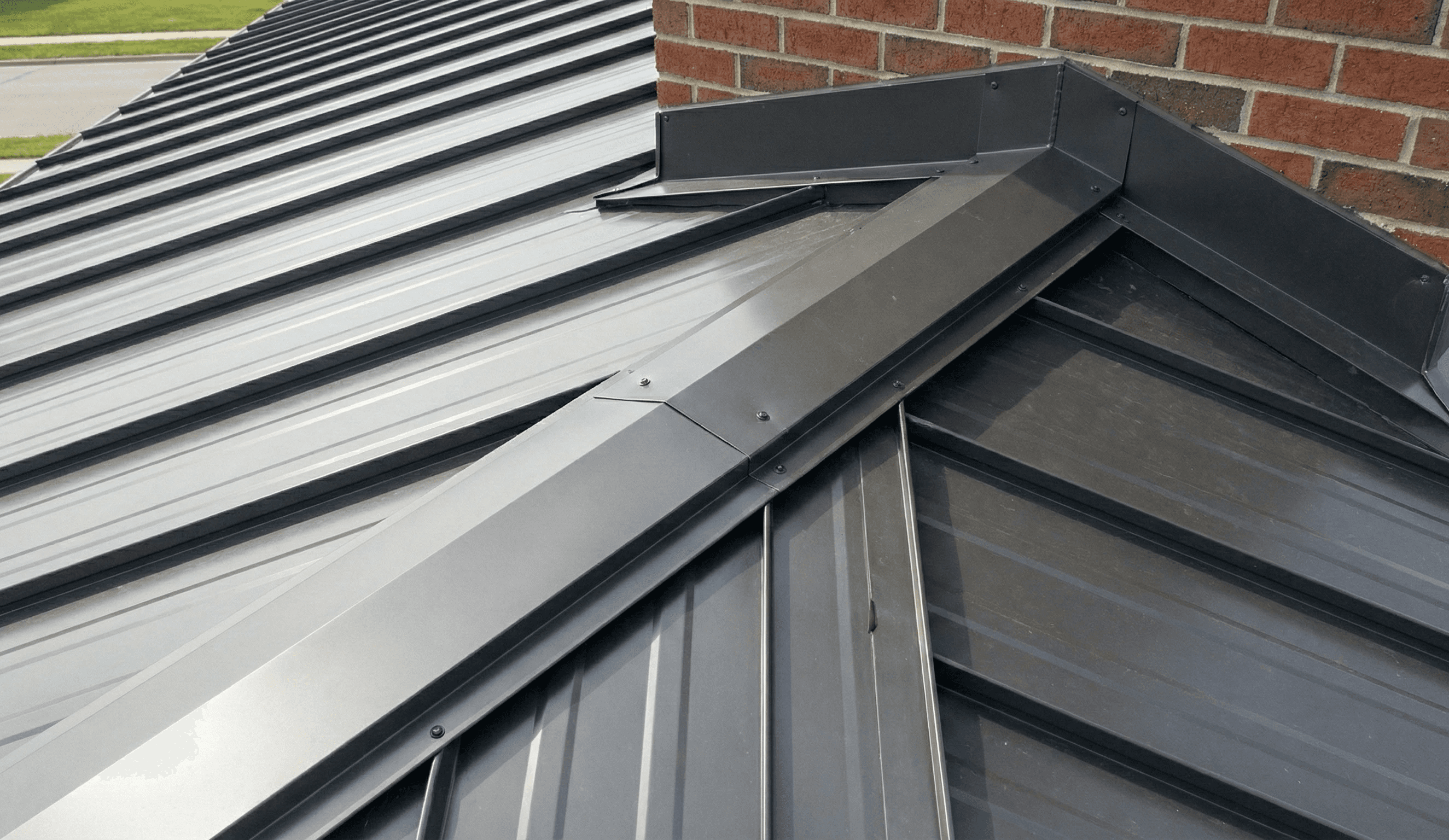
proper flashing and closure strips
When the system is built correctly, metal roofs can be quiet, comfortable, and stable through seasonal weather changes.
Hail and Wind Performance, and What to Ask
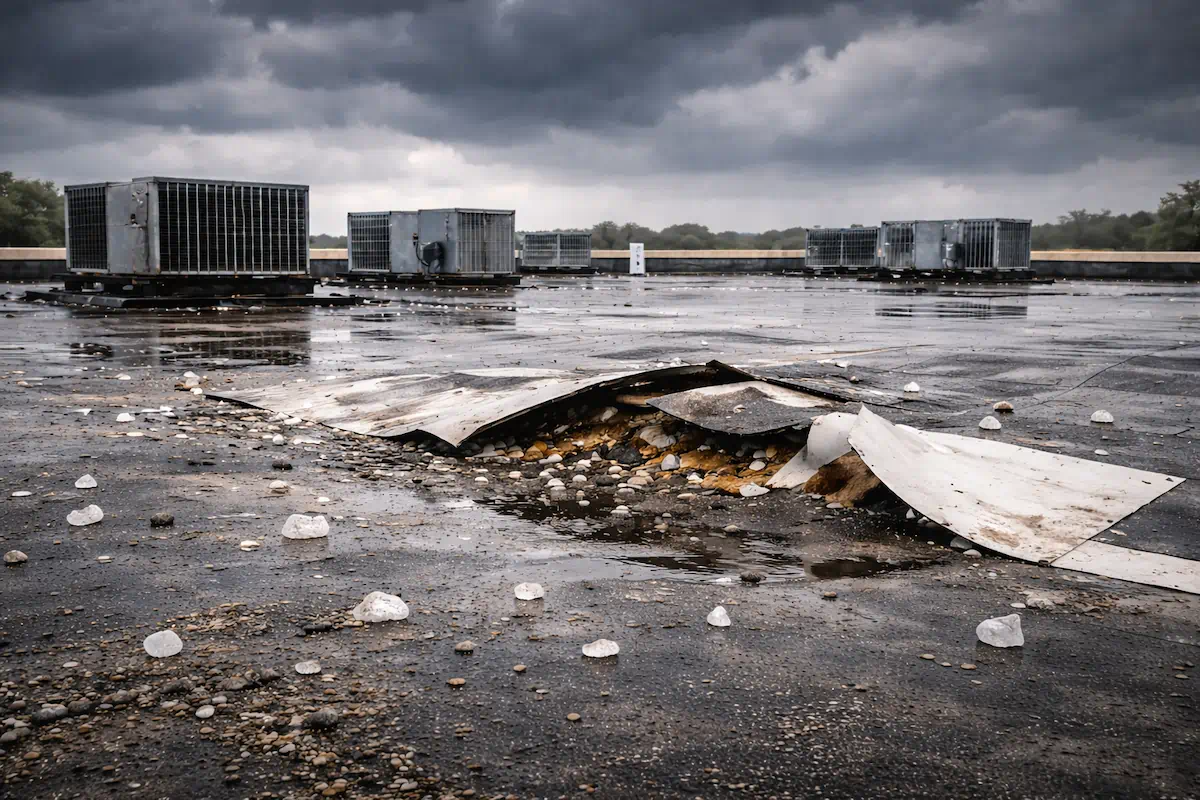
Metal can perform well in storms, but not all systems are equal. Gauge, coating, and profile matter for impact behavior.
Ask about:
panel gauge and finish type
impact ratings where available
attachment method and spacing
edge and ridge detailing
how penetrations are flashed
For storm-prone areas, these details are often more important than the marketing claims. Documentation also supports future insurance conversations.
When Metal Might Not Be the Best Fit
There are cases where another material is smarter. The goal is a roof that performs, not a roof that creates new issues.
Metal may be a weaker fit when:
roof geometry is highly complex
budget does not allow proper detailing
existing conditions require major deck repair
aesthetic restrictions apply
the building needs a different low-slope system
In those situations, a high-quality shingle or a commercial membrane system may provide a better balance of performance and cost.
Maintenance and Long-Term Care
Metal roofs still need basic care, especially around sealants, fasteners, and rooftop accessories.
A simple maintenance plan includes:
annual visual checks after seasons change
fastener and sealant review where applicable
debris removal from valleys and gutters
inspection after severe storms
documentation of any repairs
Made Property Services approaches metal the same way as any roof system: plan it, document it, and maintain it so the asset performs for the long term.
How to Compare Proposals for Metal Roofing
Metal proposals should be system-specific, with clear details on materials and installation methods. If the scope is vague, risk goes up.
Compare proposals by checking:
panel type and manufacturer
underlayment and ice protection details
flashing package and accessories
warranty coverage and responsibilities
how the contractor documents the job
A disciplined scope protects you. It also ensures you are comparing true equivalents rather than guessing what is included.
Conclusion
Metal roofing can be an excellent option for both homes and commercial buildings when the system matches the property and the details are executed with care. Use the points above to evaluate fit, avoid surprises, and choose a solution that is built for the long term.
Metal Roofing Is Not Just a Trend, It Is a System Choice
Metal roofing can look sharp and perform extremely well, but it is not automatically the best answer for every property. The best results come when the system matches the building and the details are executed correctly.
This guide breaks down when metal makes sense for homeowners and for commercial owners. If you are researching commercial roofing in St. Louis or planning a residential upgrade, these considerations will help you choose confidently.
Understand the Main Metal Roof Types
Metal roofing is a category, not one product. The profile, fastening method, and substrate all matter.
Common metal roof types include:
standing seam panels
exposed fastener panels
metal shingles and tiles
coated steel or aluminum systems
retrofit systems for some low-slope roofs
Each option has different detailing requirements at edges, penetrations, and transitions. That is why comparing metal bids by price alone can be misleading.
Where Metal Delivers Strong Value
Metal can be a long-term play when you plan to own the property for years and want durability with lower long-run maintenance.
Metal often makes sense for:
homes with high sun exposure
properties in hail and wind regions
owners prioritizing long service life
buildings with simple roof geometry
projects where aesthetics matter
In commercial settings, metal can also reduce disruption when the project is planned well and access is managed carefully.
Costs, Life Cycle, and Return on Investment
Metal typically costs more upfront than asphalt, but it can extend replacement cycles and reduce certain repairs over time.
When evaluating ROI, compare:
upfront install cost versus expected life
energy performance impacts
repair frequency and complexity
warranty terms and exclusions
how long you plan to own the property
A clear life cycle view is more useful than a single number. For asset-focused owners, predictability is often the main benefit.
Noise, Heat, and Other Common Myths
Many people worry that metal roofs are noisy or make homes hotter. In most cases, the assembly details matter more than the panel itself.
Performance depends on:
solid decking and underlayment selection
attic insulation levels
ventilation design
fastener and clip methods
proper flashing and closure strips
When the system is built correctly, metal roofs can be quiet, comfortable, and stable through seasonal weather changes.
Hail and Wind Performance, and What to Ask
Metal can perform well in storms, but not all systems are equal. Gauge, coating, and profile matter for impact behavior.
Ask about:
panel gauge and finish type
impact ratings where available
attachment method and spacing
edge and ridge detailing
how penetrations are flashed
For storm-prone areas, these details are often more important than the marketing claims. Documentation also supports future insurance conversations.
When Metal Might Not Be the Best Fit
There are cases where another material is smarter. The goal is a roof that performs, not a roof that creates new issues.
Metal may be a weaker fit when:
roof geometry is highly complex
budget does not allow proper detailing
existing conditions require major deck repair
aesthetic restrictions apply
the building needs a different low-slope system
In those situations, a high-quality shingle or a commercial membrane system may provide a better balance of performance and cost.
Maintenance and Long-Term Care
Metal roofs still need basic care, especially around sealants, fasteners, and rooftop accessories.
A simple maintenance plan includes:
annual visual checks after seasons change
fastener and sealant review where applicable
debris removal from valleys and gutters
inspection after severe storms
documentation of any repairs
Made Property Services approaches metal the same way as any roof system: plan it, document it, and maintain it so the asset performs for the long term.
How to Compare Proposals for Metal Roofing
Metal proposals should be system-specific, with clear details on materials and installation methods. If the scope is vague, risk goes up.
Compare proposals by checking:
panel type and manufacturer
underlayment and ice protection details
flashing package and accessories
warranty coverage and responsibilities
how the contractor documents the job
A disciplined scope protects you. It also ensures you are comparing true equivalents rather than guessing what is included.
Conclusion
Metal roofing can be an excellent option for both homes and commercial buildings when the system matches the property and the details are executed with care. Use the points above to evaluate fit, avoid surprises, and choose a solution that is built for the long term.
Ready to save on your roof?
Receive a quote to upgrade your roof and start saving on your electric bill.
Ready to save on your roof?
Receive a quote to upgrade your roof and start saving on your electric bill.
Recent Posts

Request a Quote
Roofing systems.
Made for your property.
Request a Quote
Roofing systems.
Made for your property.
Request a Quote