TPO vs EPDM vs Modified Bitumen: Choosing a Commercial Flat Roof
A clear comparison of three common flat roofing systems, including performance tradeoffs, detailing considerations, and how to choose based on building use and budget.
Posted:
Published by: Made Property Services Team
TPO vs EPDM vs Modified Bitumen: Choosing a Commercial Flat Roof
A clear comparison of three common flat roofing systems, including performance tradeoffs, detailing considerations, and how to choose based on building use and budget.
Posted:
Published by: Made Property Services Team
Flat Roof Decisions Should Start With Building Requirements
Commercial flat roofs are not one-size-fits-all. The right system depends on the building’s use, roof traffic, climate exposure, and how you want to manage maintenance over time.
This overview compares TPO, EPDM, and modified bitumen through an asset-focused lens. If you are evaluating commercial roofing systems, the goal is to choose the option that best fits your building, not just the lowest number on a proposal.
Define the Performance Priorities First
Before comparing membranes, clarify what matters most for the property and its operations.
Common priorities include:
minimizing leaks and interior risk
improving energy performance
handling rooftop equipment traffic
reducing maintenance complexity
meeting schedule constraints
When priorities are clear, it becomes easier to evaluate system tradeoffs and align the roof decision with long-term planning.
What TPO Does Well
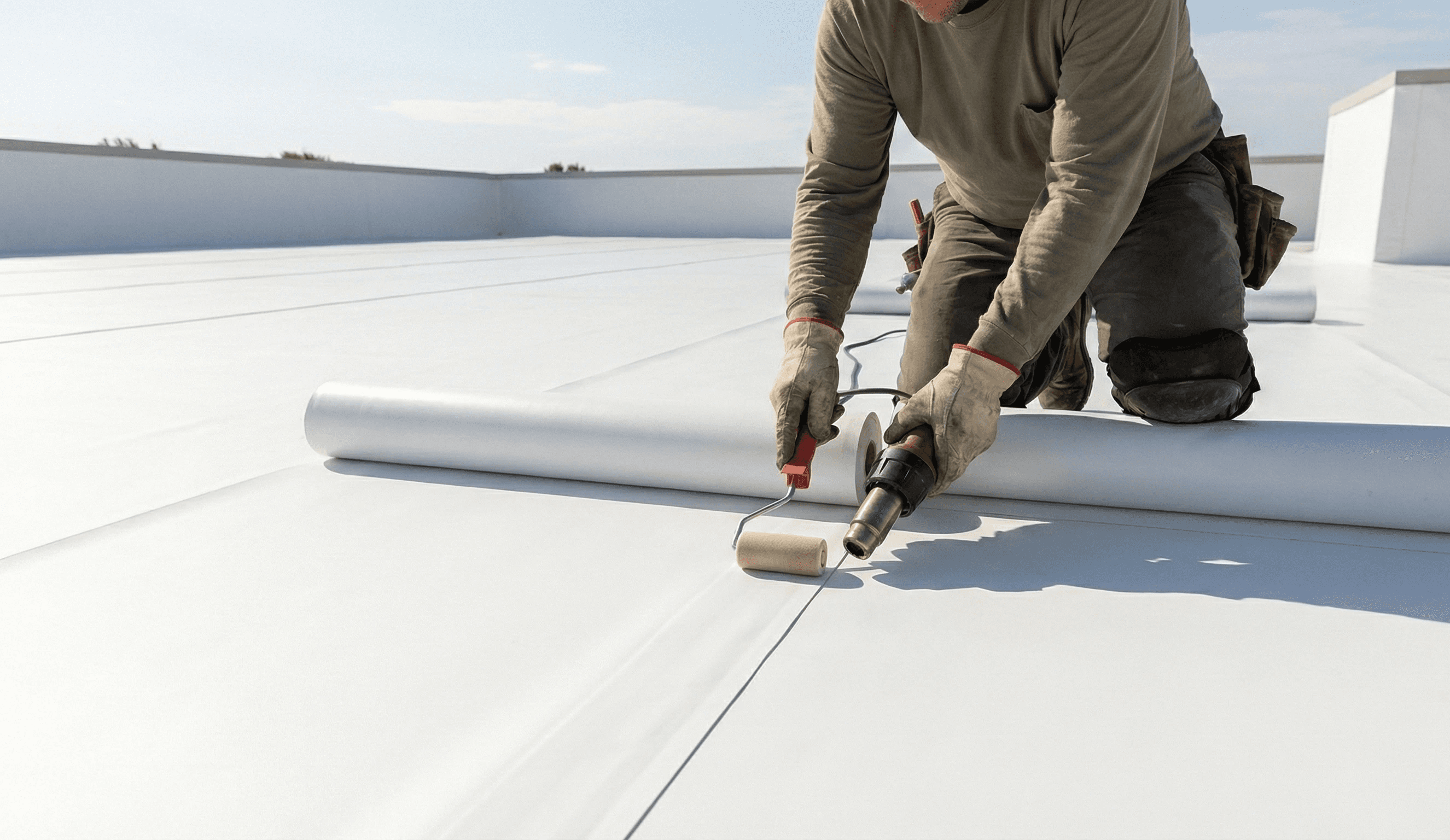
TPO is a single-ply membrane often selected for its reflective surface and weldable seams.
TPO can be a strong fit when you need:
heat-welded seams for continuity
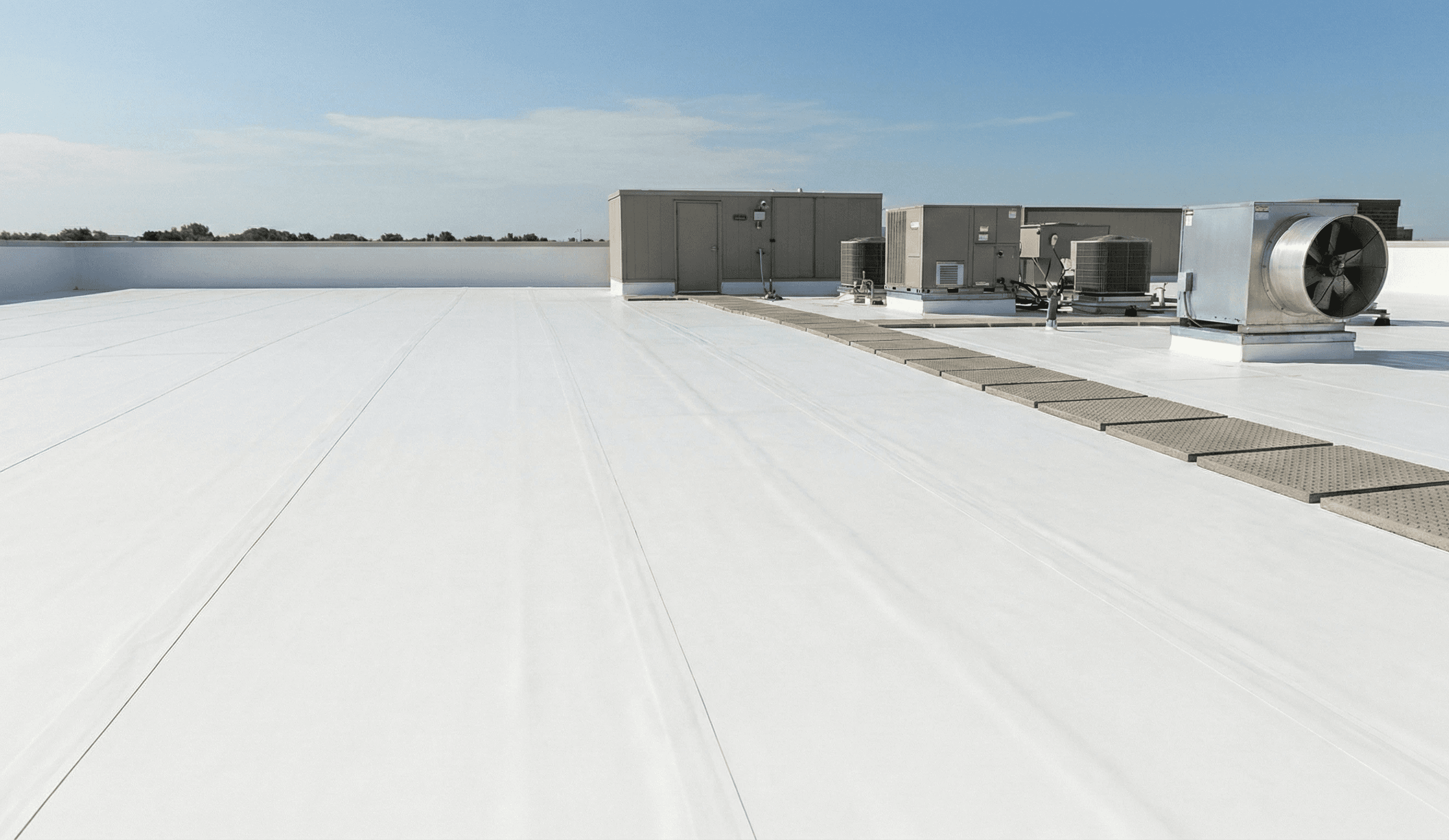
a reflective surface for energy goals
a relatively lightweight system
compatibility with tapered insulation design
a clean, modern system approach
TPO performance depends heavily on detailing quality and installation controls. Seam welding and flashing work are where long-term success is won or lost.
Where EPDM Shines
EPDM is a rubber membrane known for flexibility and long track records in many markets.
EPDM is often chosen for:
excellent flexibility through temperature swings
simple repairability over time
strong performance on large, open roof fields
proven use across decades of projects
compatibility with many retrofit conditions
EPDM seam methods and detailing still matter. A good design and consistent workmanship are key, especially around penetrations and edge conditions.
Why Modified Bitumen Is Still Relevant
Modified bitumen is a multi-layer system that can be installed with several methods depending on the project and safety requirements.
It is often considered when you want:
a robust, multi-ply approach
strong puncture resistance in high-traffic areas
good performance around complex details
options for torch-free installation methods
a system that fits phased project scopes
Because it is layered, modified bitumen can be practical for roofs with frequent foot traffic, but it can also add weight and labor depending on the assembly.
Insulation, Drainage, and Taper Design Matter More Than Many Think
Membrane choice is only part of the performance story. Many leak issues come from poor drainage and uneven insulation planning.
A strong design includes:
tapered insulation to prevent ponding
positive drainage at scuppers and drains
cricket design behind curbs and units
insulation values aligned with code and goals
detail planning at transitions and parapets
When drainage is addressed upfront, the roof stays drier, seams last longer, and maintenance becomes less reactive.
Warranties and Maintenance Plans Should Match the System
A warranty is only valuable if the roof is maintained and documentation is consistent. Each system has routine needs that should be planned.
Maintenance planning should include:
scheduled inspections and photo reporting
drain cleaning and debris removal
sealant checks at penetrations
repairs logged by roof area
coordination with rooftop equipment vendors
This is where Made Property Services brings an asset management mindset. A roof that is tracked and maintained is easier to defend and budget for.
How to Make the Final Decision
The best choice is usually the one that matches the building’s risk profile, access conditions, and long-term plans.
A practical decision checklist includes:
roof deck type and load limits
expected roof traffic and equipment needs
energy targets and reflectivity goals
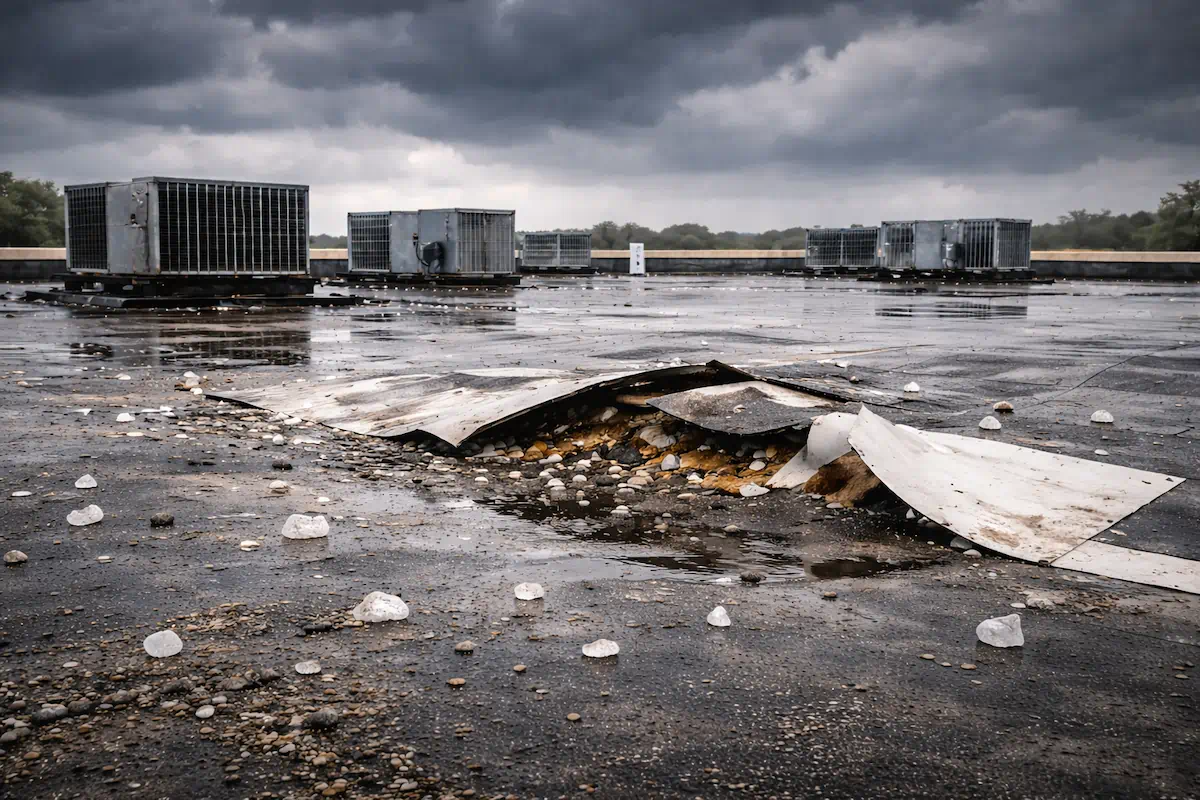
local exposure to wind and hail
budget for both install and ongoing upkeep
If you are comparing proposals, ask for clear system details and scopes. The details tell you more than broad labels like single-ply or multi-ply.
What to Expect During Installation
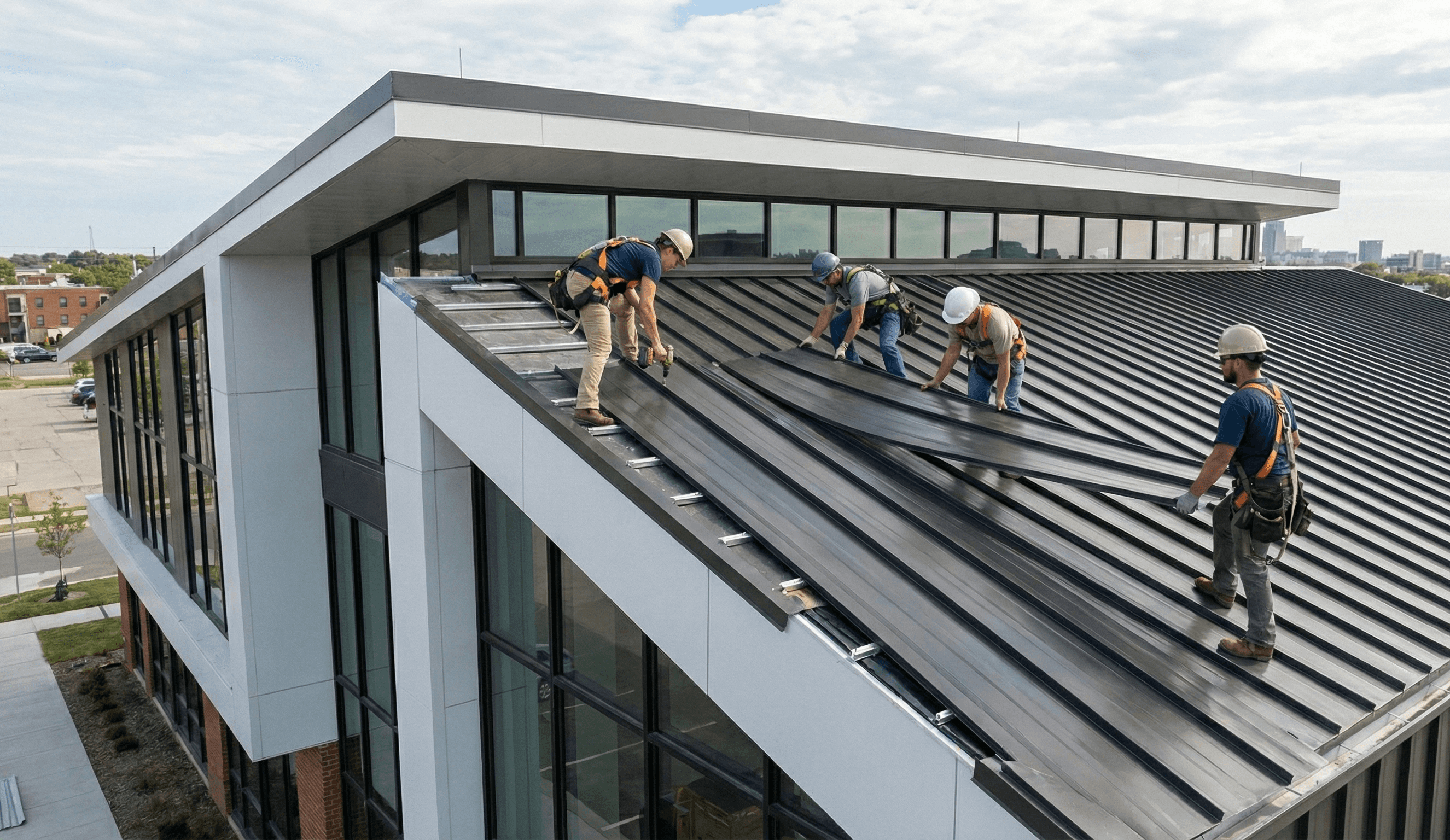
Large commercial buildings require coordination to keep operations running during roofing work.
A strong installation plan includes:
site safety and access control
material staging that protects tenants
daily communication on work areas
weather planning and temporary protection
final documentation for turnover
With the right plan, a commercial replacement can be executed predictably, even on complex properties with multiple roof areas.
Conclusion
TPO, EPDM, and modified bitumen can all perform well when the system matches the building and the details are executed correctly. The decision becomes much easier when you start with priorities, plan drainage and insulation, and commit to a maintenance routine that protects the investment over time.
Flat Roof Decisions Should Start With Building Requirements
Commercial flat roofs are not one-size-fits-all. The right system depends on the building’s use, roof traffic, climate exposure, and how you want to manage maintenance over time.
This overview compares TPO, EPDM, and modified bitumen through an asset-focused lens. If you are evaluating commercial roofing systems, the goal is to choose the option that best fits your building, not just the lowest number on a proposal.
Define the Performance Priorities First
Before comparing membranes, clarify what matters most for the property and its operations.
Common priorities include:
minimizing leaks and interior risk
improving energy performance
handling rooftop equipment traffic
reducing maintenance complexity
meeting schedule constraints
When priorities are clear, it becomes easier to evaluate system tradeoffs and align the roof decision with long-term planning.
What TPO Does Well
TPO is a single-ply membrane often selected for its reflective surface and weldable seams.
TPO can be a strong fit when you need:
heat-welded seams for continuity
a reflective surface for energy goals
a relatively lightweight system
compatibility with tapered insulation design
a clean, modern system approach
TPO performance depends heavily on detailing quality and installation controls. Seam welding and flashing work are where long-term success is won or lost.
Where EPDM Shines
EPDM is a rubber membrane known for flexibility and long track records in many markets.
EPDM is often chosen for:
excellent flexibility through temperature swings
simple repairability over time
strong performance on large, open roof fields
proven use across decades of projects
compatibility with many retrofit conditions
EPDM seam methods and detailing still matter. A good design and consistent workmanship are key, especially around penetrations and edge conditions.
Why Modified Bitumen Is Still Relevant
Modified bitumen is a multi-layer system that can be installed with several methods depending on the project and safety requirements.
It is often considered when you want:
a robust, multi-ply approach
strong puncture resistance in high-traffic areas
good performance around complex details
options for torch-free installation methods
a system that fits phased project scopes
Because it is layered, modified bitumen can be practical for roofs with frequent foot traffic, but it can also add weight and labor depending on the assembly.
Insulation, Drainage, and Taper Design Matter More Than Many Think
Membrane choice is only part of the performance story. Many leak issues come from poor drainage and uneven insulation planning.
A strong design includes:
tapered insulation to prevent ponding
positive drainage at scuppers and drains
cricket design behind curbs and units
insulation values aligned with code and goals
detail planning at transitions and parapets
When drainage is addressed upfront, the roof stays drier, seams last longer, and maintenance becomes less reactive.
Warranties and Maintenance Plans Should Match the System
A warranty is only valuable if the roof is maintained and documentation is consistent. Each system has routine needs that should be planned.
Maintenance planning should include:
scheduled inspections and photo reporting
drain cleaning and debris removal
sealant checks at penetrations
repairs logged by roof area
coordination with rooftop equipment vendors
This is where Made Property Services brings an asset management mindset. A roof that is tracked and maintained is easier to defend and budget for.
How to Make the Final Decision
The best choice is usually the one that matches the building’s risk profile, access conditions, and long-term plans.
A practical decision checklist includes:
roof deck type and load limits
expected roof traffic and equipment needs
energy targets and reflectivity goals
local exposure to wind and hail
budget for both install and ongoing upkeep
If you are comparing proposals, ask for clear system details and scopes. The details tell you more than broad labels like single-ply or multi-ply.
What to Expect During Installation
Large commercial buildings require coordination to keep operations running during roofing work.
A strong installation plan includes:
site safety and access control
material staging that protects tenants
daily communication on work areas
weather planning and temporary protection
final documentation for turnover
With the right plan, a commercial replacement can be executed predictably, even on complex properties with multiple roof areas.
Conclusion
TPO, EPDM, and modified bitumen can all perform well when the system matches the building and the details are executed correctly. The decision becomes much easier when you start with priorities, plan drainage and insulation, and commit to a maintenance routine that protects the investment over time.
Ready to save on your roof?
Receive a quote to upgrade your roof and start saving on your electric bill.
Ready to save on your roof?
Receive a quote to upgrade your roof and start saving on your electric bill.
Recent Posts

Request a Quote
Roofing systems.
Made for your property.
Request a Quote
Roofing systems.
Made for your property.
Request a Quote