Roof Storm Damage and Insurance Claims: What to Do First
From safety checks to adjuster meetings, here is a step-by-step storm damage process that helps homeowners and building owners document issues and avoid common claim mistakes.
Posted:
Published by: Made Property Services Team
Roof Storm Damage and Insurance Claims: What to Do First
From safety checks to adjuster meetings, here is a step-by-step storm damage process that helps homeowners and building owners document issues and avoid common claim mistakes.
Posted:
Published by: Made Property Services Team
When a Storm Hits, the First 48 Hours Matter
Wind, hail, and heavy rain can damage a roof in ways that are not always obvious from the ground. The first steps you take can affect repair options, timelines, and whether an insurance claim goes smoothly.
Made Property Services is known for storm damage work and claim support, but the same fundamentals apply whether you own a home or manage a large facility. This guide focuses on clear documentation and smart decisions for roof insurance claims.
Start With Safety and Interior Protection
Before anyone climbs a ladder, prioritize safety and stop interior damage from spreading.
Your first actions should include:
stay clear of downed lines and damaged trees
move valuables away from active leaks
place buckets and towels to limit spread
photograph interior water stains immediately
avoid walking the roof if it is wet or unstable
If water is entering the building, temporary interior protection is often the fastest way to reduce loss while you organize the next steps.
Document the Property Conditions Immediately
Insurance decisions are documentation-driven. The more organized your photos and notes are, the clearer the story becomes.
Helpful documentation includes:
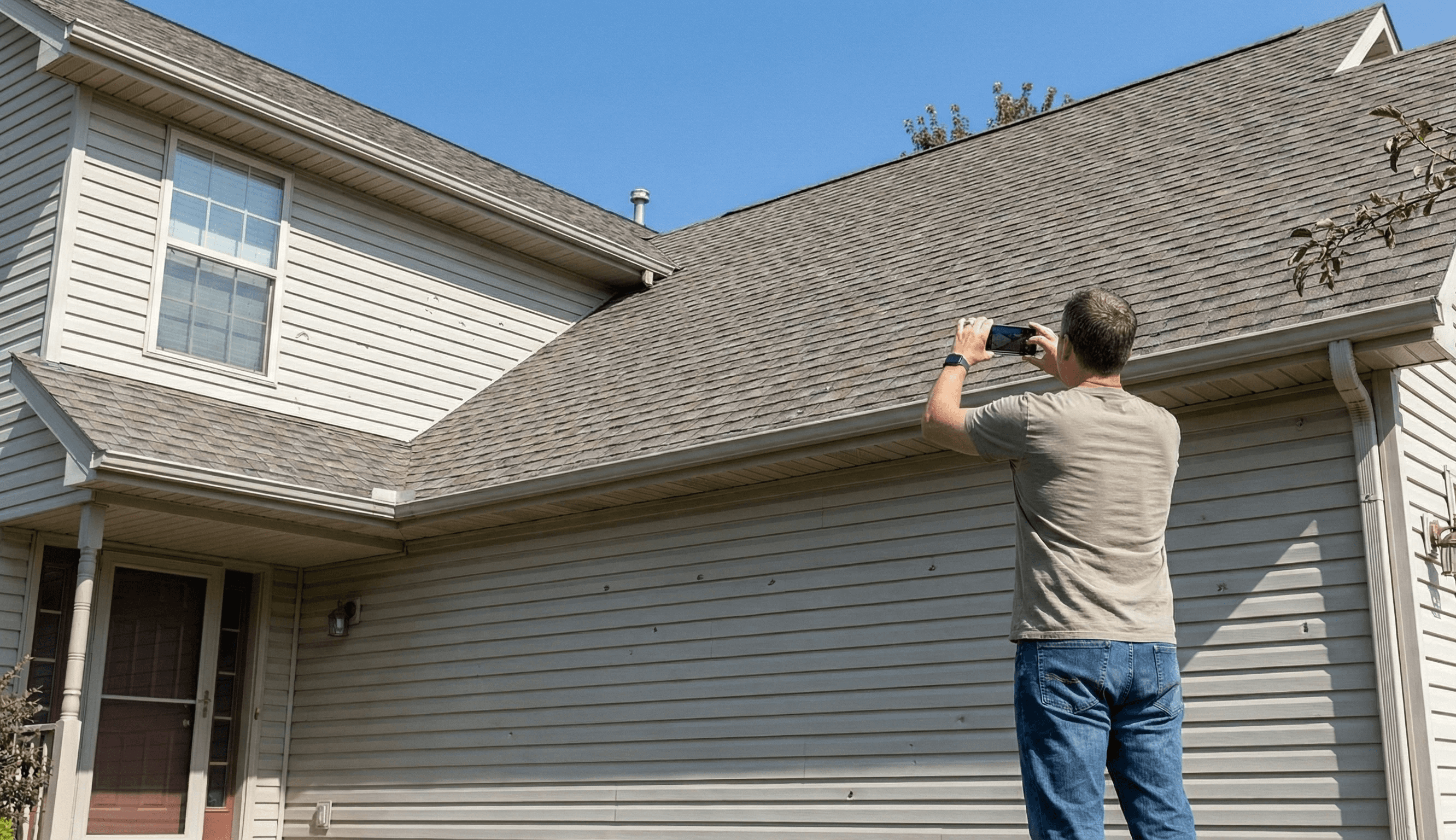
wide shots of the building and roof lines
close-ups of visible damage from the ground
photos of gutters, downspouts, and siding impacts
timestamps and storm date notes
interior photos showing leak locations by room
If possible, keep everything in one folder and label files by area. This makes it easier to reference when the adjuster asks questions.
Know the Difference Between Maintenance and Storm Damage
Not every leak is storm damage. Carriers often look for signs that damage is sudden and weather-related, not long-term wear.
Common storm indicators can include:
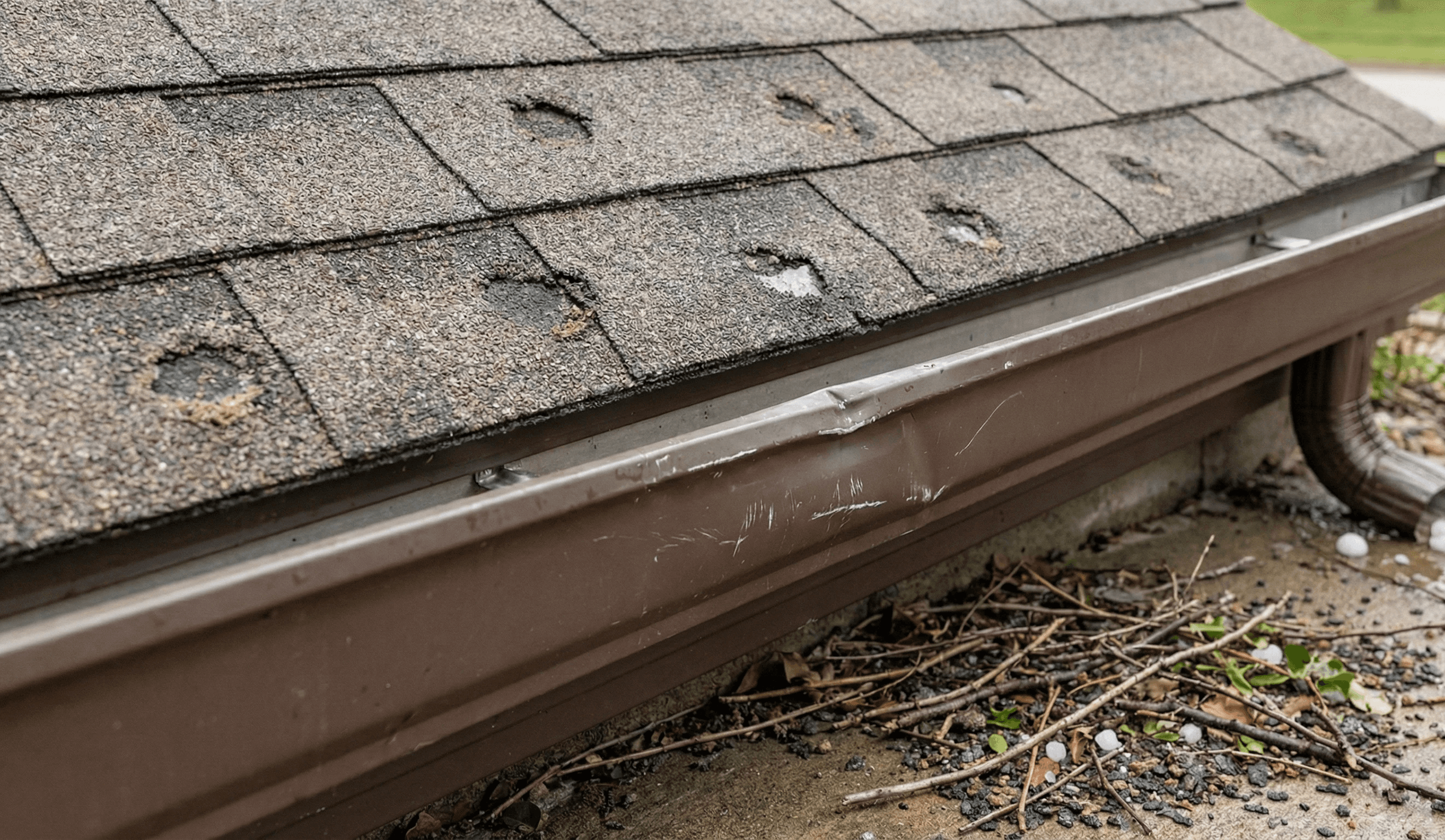
missing or creased shingles
hail hits on soft metals and vents
lifted flashing or edge metal
impact marks with granule loss
new leaks that started after a documented storm
A professional inspection helps separate true storm-related damage from pre-existing issues, which reduces surprises later in the claim.
Schedule a Professional Inspection and Written Findings
A roof inspection should produce more than a verbal opinion. You want a clear report that ties findings to roof areas and photos.
A strong inspection deliverable includes:
roof plan notes or area labeling
photo documentation of each issue
recommended mitigation steps
repair versus replacement considerations
a summary written for non-technical readers
This written structure is useful for homeowners, but it is especially important for commercial stakeholders who need predictable reporting.
Handle Temporary Repairs the Right Way
Mitigation is important, but temporary repairs can accidentally remove evidence if done poorly. The goal is to stop active water intrusion while keeping documentation intact.
Best practices include:
photograph before and after any tarp work
save damaged materials when feasible
use temporary measures that do not cut out sections
keep receipts for emergency mitigation
track dates and who performed the work
A claim can still succeed after mitigation, but the record has to be clean and consistent.
Prepare for the Adjuster Meeting
Adjuster visits can move quickly. Being prepared helps you ensure key areas are reviewed and documented.
Before the visit, organize:
your photo folder and interior leak notes
inspection report and roof area labels
a list of observed issues by location
questions about coverage and deductibles
access needs such as roof hatches or ladders
For commercial properties, also consider having a property manager present to confirm access details and historical leak information.
Avoid the Most Common Claim Pitfalls
Many claim delays come from missing documents, unclear timelines, or conflicting scopes. Staying consistent reduces friction.
Common pitfalls to avoid include:
waiting weeks to report damage
mixing multiple storms in one claim narrative
starting major work before documenting conditions
providing incomplete photos
accepting a scope that misses known damaged areas
If storm damage is legitimate, the process usually goes better when the facts are organized and the scope matches the documented findings.
What Made Property Services Does Differently
Claim support is not just paperwork. It is about clear communication, proper documentation, and a scope that reflects what is actually on the roof.
For both residential and commercial projects, a disciplined process includes:
system-specific inspection methods
documentation that maps photos to roof areas
clear scopes with measurable quantities
coordination with stakeholders and adjusters
repairs and replacements built for long-term performance
If you are in the St. Louis area, that same structure also helps reduce the chance of repeat issues after the storm season ends.
Conclusion
Storm events are stressful, but the process becomes manageable when you focus on safety, documentation, and clear reporting. Whether you are protecting a home or a multi-site portfolio, organized information is what turns a chaotic situation into a solvable plan.
When a Storm Hits, the First 48 Hours Matter
Wind, hail, and heavy rain can damage a roof in ways that are not always obvious from the ground. The first steps you take can affect repair options, timelines, and whether an insurance claim goes smoothly.
Made Property Services is known for storm damage work and claim support, but the same fundamentals apply whether you own a home or manage a large facility. This guide focuses on clear documentation and smart decisions for roof insurance claims.
Start With Safety and Interior Protection
Before anyone climbs a ladder, prioritize safety and stop interior damage from spreading.
Your first actions should include:
stay clear of downed lines and damaged trees
move valuables away from active leaks
place buckets and towels to limit spread
photograph interior water stains immediately
avoid walking the roof if it is wet or unstable
If water is entering the building, temporary interior protection is often the fastest way to reduce loss while you organize the next steps.
Document the Property Conditions Immediately
Insurance decisions are documentation-driven. The more organized your photos and notes are, the clearer the story becomes.
Helpful documentation includes:
wide shots of the building and roof lines
close-ups of visible damage from the ground
photos of gutters, downspouts, and siding impacts
timestamps and storm date notes
interior photos showing leak locations by room
If possible, keep everything in one folder and label files by area. This makes it easier to reference when the adjuster asks questions.
Know the Difference Between Maintenance and Storm Damage
Not every leak is storm damage. Carriers often look for signs that damage is sudden and weather-related, not long-term wear.
Common storm indicators can include:
missing or creased shingles
hail hits on soft metals and vents
lifted flashing or edge metal
impact marks with granule loss
new leaks that started after a documented storm
A professional inspection helps separate true storm-related damage from pre-existing issues, which reduces surprises later in the claim.
Schedule a Professional Inspection and Written Findings
A roof inspection should produce more than a verbal opinion. You want a clear report that ties findings to roof areas and photos.
A strong inspection deliverable includes:
roof plan notes or area labeling
photo documentation of each issue
recommended mitigation steps
repair versus replacement considerations
a summary written for non-technical readers
This written structure is useful for homeowners, but it is especially important for commercial stakeholders who need predictable reporting.
Handle Temporary Repairs the Right Way
Mitigation is important, but temporary repairs can accidentally remove evidence if done poorly. The goal is to stop active water intrusion while keeping documentation intact.
Best practices include:
photograph before and after any tarp work
save damaged materials when feasible
use temporary measures that do not cut out sections
keep receipts for emergency mitigation
track dates and who performed the work
A claim can still succeed after mitigation, but the record has to be clean and consistent.
Prepare for the Adjuster Meeting
Adjuster visits can move quickly. Being prepared helps you ensure key areas are reviewed and documented.
Before the visit, organize:
your photo folder and interior leak notes
inspection report and roof area labels
a list of observed issues by location
questions about coverage and deductibles
access needs such as roof hatches or ladders
For commercial properties, also consider having a property manager present to confirm access details and historical leak information.
Avoid the Most Common Claim Pitfalls
Many claim delays come from missing documents, unclear timelines, or conflicting scopes. Staying consistent reduces friction.
Common pitfalls to avoid include:
waiting weeks to report damage
mixing multiple storms in one claim narrative
starting major work before documenting conditions
providing incomplete photos
accepting a scope that misses known damaged areas
If storm damage is legitimate, the process usually goes better when the facts are organized and the scope matches the documented findings.
What Made Property Services Does Differently
Claim support is not just paperwork. It is about clear communication, proper documentation, and a scope that reflects what is actually on the roof.
For both residential and commercial projects, a disciplined process includes:
system-specific inspection methods
documentation that maps photos to roof areas
clear scopes with measurable quantities
coordination with stakeholders and adjusters
repairs and replacements built for long-term performance
If you are in the St. Louis area, that same structure also helps reduce the chance of repeat issues after the storm season ends.
Conclusion
Storm events are stressful, but the process becomes manageable when you focus on safety, documentation, and clear reporting. Whether you are protecting a home or a multi-site portfolio, organized information is what turns a chaotic situation into a solvable plan.
Ready to save on your roof?
Receive a quote to upgrade your roof and start saving on your electric bill.
Ready to save on your roof?
Receive a quote to upgrade your roof and start saving on your electric bill.
Recent Posts

Request a Quote
Roofing systems.
Made for your property.
Request a Quote
Roofing systems.
Made for your property.
Request a Quote